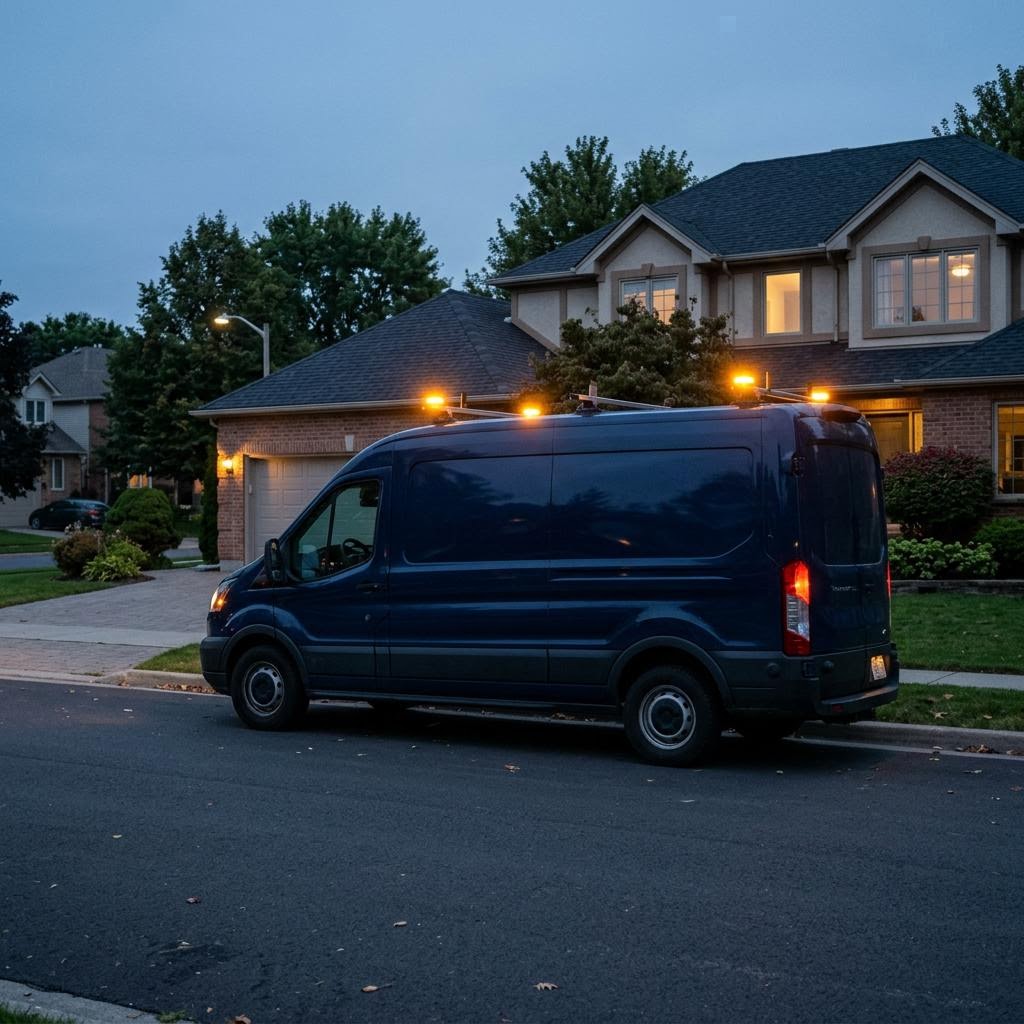
The Problem vs. The Solution
The Problem
Issues related to sewer backups can cause major disruptions if left untreated.
Our Solution
Our expert technicians rapidly diagnose and fix the issue, restoring proper function immediately.
Our Professional Process
Assessment
Thorough evaluation of the problem area.
Execution
Applying targeted solutions with professional equipment.
Verification
Testing to ensure the issue is completely resolved.
One of the Worst Things a Home Can Face
A sewer backup is among the most serious plumbing failures a home can experience. When wastewater cannot escape to the municipal system, it reverses course and pushes back into the house through the lowest openings, typically basement floor drains, toilets, and tubs. Beyond the immediate mess, sewage carries real health hazards and can cause thousands of dollars in damage to finished basements and belongings.
Because the stakes are high, understanding why backups happen, how to respond, and how to reduce your risk is genuinely important for any Ottawa homeowner, especially those with finished lower levels.
Why Backups Happen Here
Sewer backups have both private and municipal causes. On the private side, a blocked lateral, most often from root intrusion, grease, or a collapsed section of aging pipe, prevents your home's waste from reaching the main. On the municipal side, the city system itself can be overwhelmed, which is where Ottawa's climate becomes a factor.
During spring freshet and heavy snowmelt, or after intense summer storms, large volumes of water enter the system quickly. In older parts of the city served by combined sewers that carry both storm and sanitary flow, this surge can raise levels enough to push back toward homes. Understanding whether your risk is a private blockage or a system surge shapes the right protection.
There is a telling difference in how the two present themselves. A private blockage tends to build gradually, with drains slowing over days or weeks and the backup arriving during ordinary use. A municipal surge tends to strike suddenly and in step with the weather, backing up several homes on a street at once during or right after a downpour or a rapid thaw. Neither is pleasant, but recognizing which one you are dealing with points to very different solutions, from clearing and repairing your lateral to installing a backwater valve that guards against the system itself.
Warning Signs of an Imminent Backup
Sewer backups often give warning before they erupt. Catching these signs buys you time to act.
- Water backing up in a basement floor drain or the lowest toilet
- Gurgling from drains and toilets when other fixtures are used
- Multiple drains slowing or clogging at the same time
- Sewage odour near floor drains or in the basement
- Bubbling in the toilet bowl after running the washing machine
What to Do When It Happens
If sewage is backing up, stop using water immediately, since every flush and every load of laundry adds to the volume with nowhere to go. Keep people and pets away from the contaminated area, and if the water is near electrical outlets or the panel, avoid the area and cut power to it only if you can do so safely.
Do not attempt to clear a main-line backup with chemicals or by repeated flushing; both make things worse. This is a situation for professional equipment and proper containment. The faster the line is cleared and the source diagnosed, the less damage and contamination you are left to clean up.
It is also wise to document the event before cleanup begins. Photographs of the affected area and any damaged belongings can matter for an insurance claim, and many policies treat sewer backup differently from other water damage, so knowing your coverage in advance is worthwhile. Once the professionals have cleared the line, proper disinfection of the affected surfaces is important, because the health risk from sewage comes not just from the standing water but from what it leaves behind on floors, walls, and porous materials.
Reducing Your Risk Going Forward
There are proven ways to lower backup risk, and many Ottawa homeowners have adopted them. A backwater valve installed on the lateral allows waste to flow out but closes to prevent flow back in during a surge, which is particularly valuable for homes on combined sewers or in flood-prone areas. Local programs and sewer-use rules sometimes address these devices, so it is worth confirming current requirements.
Regular maintenance is the other half. Clearing roots on a schedule, keeping grease out of the system, and having the lateral inspected periodically all reduce the odds of a private-side blockage. Directing downspouts and sump discharge away from the sanitary system also helps keep unnecessary water out of the pipes that matter most.
It is worth planning this protection ahead of Ottawa's high-risk seasons rather than during them. The weeks before spring thaw are the ideal time to have a lateral cleared and inspected and to confirm that any backwater valve is working, because that is precisely when snowmelt loads the system hardest. A little foresight in late winter can spare you the far more expensive and stressful experience of dealing with a flooded basement once the melt is underway.
Act Fast, Then Prevent
A sewer backup is both an emergency and a lesson. The immediate priority is clearing the line and cleaning up safely; the follow-up priority is figuring out why it happened so it does not recur. A camera inspection after a backup often reveals the root cause, whether that is intrusion, a collapse, or a system surge issue, and points to the right prevention.
The homeowners who fare best after a backup are the ones who treat it as information rather than just a mess. Knowing whether the cause was a private blockage or a municipal surge tells you exactly which defences to invest in, whether that is clearing and repairing your lateral, adding a backwater valve, or both. Acting on that knowledge is what turns a one-time disaster into a problem you have genuinely put behind you.
If you are dealing with a backup now or want to protect a finished basement before spring melt, call Ottawa Drain Cleaning at (613) 706-2303 for fast response and a plan to keep it from happening again.
Frequently Asked Questions
Ready to schedule sewer backups?
Call now for immediate service or book online for a scheduled appointment.