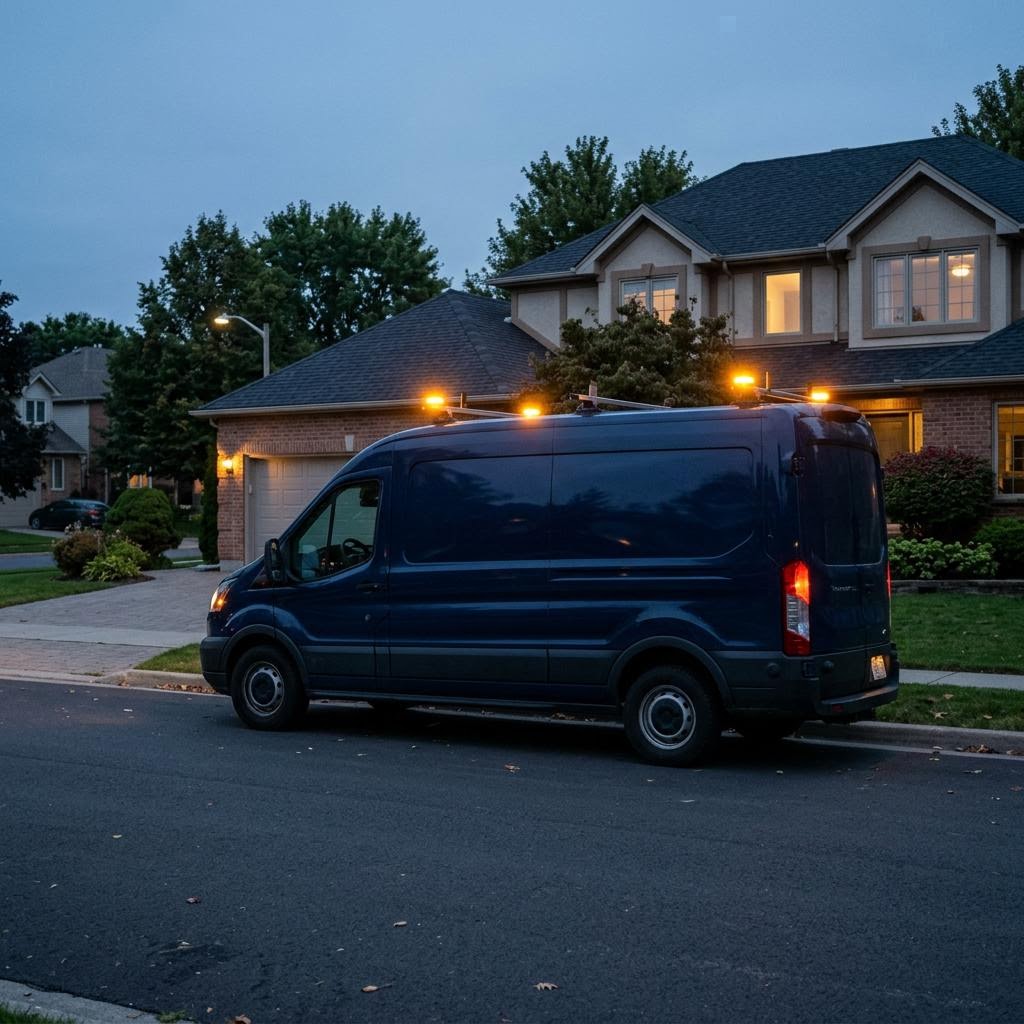
The Problem vs. The Solution
The Problem
A sudden sewage backup or overflowing drain can cause severe property damage, health hazards, and business shutdowns if not addressed immediately.
Our Solution
Our 24/7 emergency response team arrives fast, diagnoses the problem quickly, and uses heavy-duty equipment to resolve the crisis and minimize damage.
Our Professional Process
Rapid Dispatch
Call our emergency line and we'll dispatch the nearest available technician immediately.
Containment & Assessment
We first act to stop further damage, then diagnose the root cause of the emergency.
Immediate Resolution
We clear the blockage, restore function, and provide guidance on cleanup and prevention.
What Counts as a Drain Emergency
Not every slow drain is an emergency, but some situations demand an immediate response before damage compounds. Knowing the difference helps you act decisively rather than hoping a serious backup resolves itself overnight.
A true emergency threatens your health, your property, or your ability to live in or operate your space. Raw sewage rising into a basement, a toilet that overflows every time an upstairs fixture is used, or water pooling on a finished floor are all signals that waste has nowhere to go and needs professional attention now, not in a few days. The distinction matters because responding to a genuine emergency quickly saves both property and money, while overreacting to a minor slow drain in the middle of the night rarely does.
- Sewage backing up through a floor drain, tub, or lowest toilet
- Every drain in the home slowing or backing up at once
- Sewage smell combined with water where it should not be
- A backup that returns within hours of being cleared
The First Few Minutes Matter
What you do before help arrives can meaningfully limit the damage. The priority is to stop adding water to a system that cannot drain, then protect your belongings and your safety.
Stop running any water in the house, including dishwashers and washing machines, because everything you send down the line has to go somewhere. If sewage has surfaced, keep people and pets away from it, since it carries bacteria and should never be touched without protection. If you can safely reach your home's main water shutoff, closing it prevents an unattended fixture from making things worse.
Move what you can out of harm's way. Lifting boxes, electronics, and valuables off a basement floor and away from the affected area takes only a few minutes and can save irreplaceable items. Open windows to ventilate odours, but do not run fans directly over standing sewage, which can spread contaminants through the air. Resist the urge to pour chemical cleaners into a backed-up drain, because they will simply sit in the standing water and create a hazard for anyone who has to work in it.
Why Ottawa Sees Seasonal Spikes
Emergency calls in the region follow predictable patterns tied to the climate. During the spring freshet, rapid snowmelt saturates the ground and raises groundwater levels, which can overwhelm older combined sewers in the downtown core and push water back toward basement drains. Homes with foundation drains tied into aging laterals are especially vulnerable in this window.
Winter brings the opposite challenge. Deep freeze-thaw cycles shift soil around buried pipes and can crack aging cast iron, while a partially blocked line that drained slowly all autumn may finally stop when cold weather thickens grease into a solid plug. Because these failures cluster during storms and cold snaps, having a number to call at any hour is not a luxury but a practical safeguard.
How Rapid Response Limits Damage
The financial and structural cost of a backup climbs the longer waste sits where it does not belong. Contaminated water wicks into drywall, insulation, and subfloors within hours, and what starts as a clearing job can turn into a remediation project if it is left overnight.
A fast response focuses first on containment, then on identifying whether the blockage is in a branch line or the main sewer, and finally on clearing it with equipment sized for the job. Resolving the cause quickly means less demolition, fewer ruined possessions, and a faster return to normal life. For a backup that cannot wait, Ottawa Drain Cleaning dispatches around the clock at (613) 706-2303.
Reducing the Odds of the Next Emergency
Most emergencies are the last stage of a problem that gave warnings for weeks. After the crisis is resolved, it is worth asking why it happened so it does not recur. Recurring main-line backups often point to tree roots or a structural defect that a camera inspection can confirm, and a backwater valve can protect low-lying basements from municipal surcharge during heavy rain.
Simple preparation reduces both the likelihood and the impact of the next event. Knowing where your main cleanout and water shutoff are located before you need them saves precious minutes. Keeping heavy or irreplaceable items off basement floors, addressing slow drains promptly rather than living with them, and having older cast-iron laterals inspected periodically all shift the odds in your favour.
Timing plays a role too. Because the region's emergencies cluster around spring snowmelt and deep winter cold, scheduling a preventive check before those seasons arrive is far easier than finding help in the middle of a storm when demand spikes. A small amount of foresight often means the difference between a scheduled visit and a frantic overnight call.
What Happens After the Water Recedes
Clearing the blockage is only the first half of an emergency. Anything porous that contaminated water has touched, from drywall and insulation to carpet and stored belongings, needs prompt attention, because sewage carries bacteria and lingering moisture invites mould within days. Acting quickly on cleanup limits both the health risk and the eventual repair bill.
It also pays to understand your coverage and your home's defences before you are cleaning up. Many Ottawa homeowners are surprised to learn that sewer backup protection is often a separate consideration on a policy, and that municipal programs sometimes encourage protective devices such as backwater valves. Sorting this out during calm weather, rather than in the aftermath, puts you in a far stronger position.
Finally, treat every emergency as a diagnostic clue. A backup that came from the main line behaves differently from one confined to a single branch, and the pattern of what backed up and where points toward the underlying cause. Capturing those details, and following up with a camera inspection when the cause is unclear, keeps a one-time crisis from becoming a recurring one.
Frequently Asked Questions
Ready to schedule emergency drain cleaning?
Call now for immediate service or book online for a scheduled appointment.