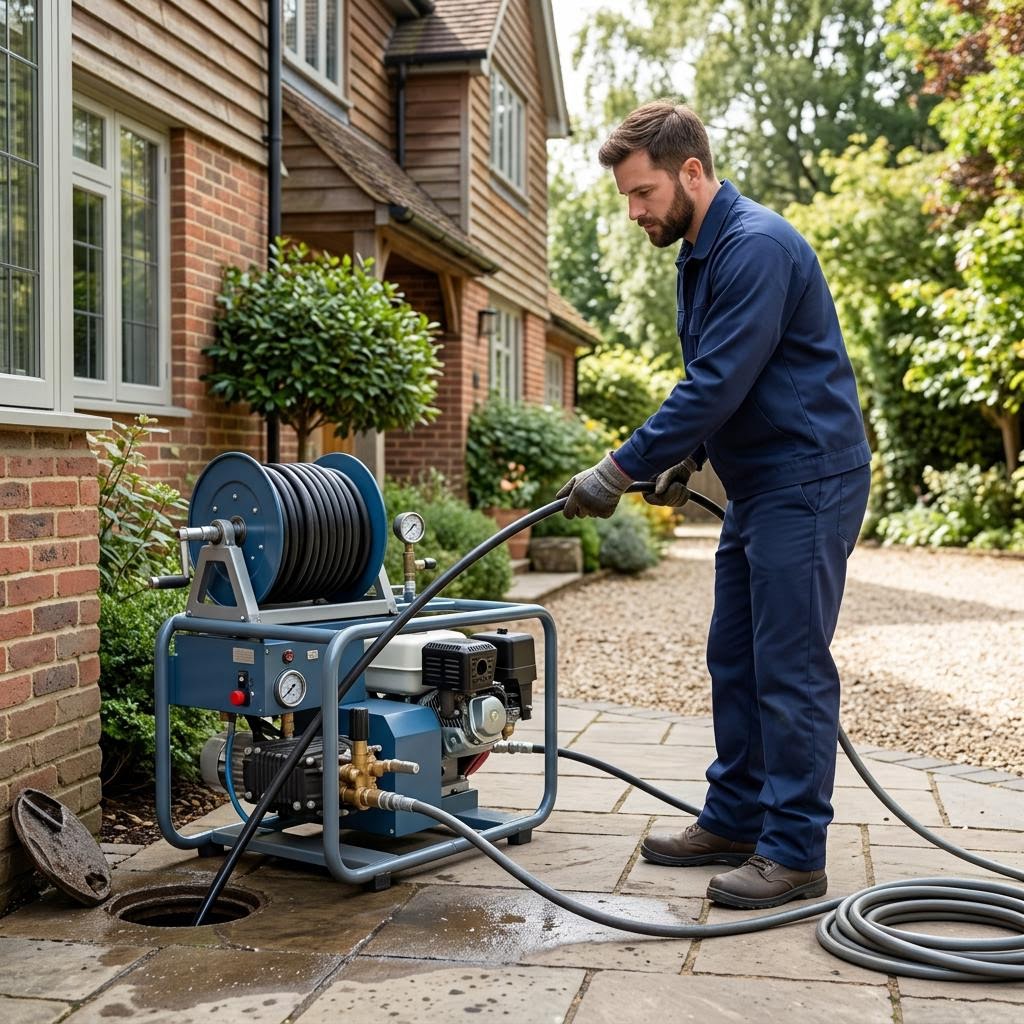
The Problem vs. The Solution
The Problem
Over time, hair, grease, soap scum, and other debris build up on the walls of your pipes, causing slow drainage, unpleasant odors, and eventually complete blockages.
Our Solution
We use professional-grade cabling and hydro jetting equipment to thoroughly clean the inside of your pipes, removing buildup and leaving them flowing like new.
Our Professional Process
Inspection
We assess the affected drain and may use a camera to identify the exact cause and location of the clog.
Clearing
Using the appropriate tool—from high-powered snakes to hydro jetters—we break apart and flush away the blockage.
Verification
We test the drain extensively to ensure the blockage is completely gone and flow is fully restored.
Why Ottawa Drains Clog in the First Place
Every drain in your home carries a slightly different mix of debris, and understanding what accumulates where is the first step to keeping water moving. Bathroom sinks and tubs collect hair bound together with soap scum, kitchen lines slowly narrow as fats and food particles cool and stick, and laundry drains catch lint and detergent residue that hardens over time. Each of these deposits behaves differently, which is why a technique that works on one drain may do little for another.
Ottawa adds its own wrinkles. Hard water is common across much of the region, and the dissolved minerals it carries leave scale on the inside of pipes, giving grease and hair more texture to cling to. In older neighbourhoods with cast-iron or clay drainage, decades of internal corrosion create a rough surface that traps debris far faster than smooth modern PVC. A drain that seems to clog for no reason is usually the product of years of quiet buildup finally reaching a tipping point.
The climate compounds the problem. During the coldest months, buried sections of drain and any pipe running along an exterior wall sit at a low temperature, which encourages grease and semi-solid waste to firm up and stick rather than flow through. What drains adequately in July can turn sluggish in January, and homeowners often mistake this seasonal change for a sudden new fault when it is really the accumulated buildup of many months finally catching up.
Early Warning Signs Worth Acting On
Clogs rarely happen without warning. Paying attention to the small signals lets you address a blockage while it is still cheap and simple to clear rather than after it has caused a mess.
- Water that drains noticeably slower than it did a few months ago
- Gurgling sounds from a sink or tub when a nearby fixture drains
- A faint sewer or musty odour rising from a drain, especially in summer
- Multiple fixtures slowing down at the same time, which points to a shared branch line
- Water pooling around a floor drain or backing up when the washing machine empties
Snaking Versus Hydro Jetting
Not every clog needs the same tool. A motorized cable, or snake, is excellent for punching through a discrete blockage such as a wad of hair or a lodged object, and it is often the most efficient choice for a single slow fixture. Hydro jetting, by contrast, uses high-pressure water to scour the full circumference of the pipe, which matters when grease, scale, or years of film have coated the walls.
Choosing between them is a judgment call that depends on the pipe material, its age, and the nature of the buildup. Fragile older cast iron may not tolerate aggressive jetting, while a grease-choked kitchen line will simply re-clog if it is only snaked. A professional assessment, sometimes aided by a camera, ensures the right method is matched to your situation instead of a one-size-fits-all approach.
There is also a difference in what each method leaves behind. Cabling clears a passage but tends to leave the pipe walls coated with the material it punched through, so soft buildup begins closing in again almost immediately. Jetting removes that coating, restoring more of the pipe's original diameter and buying a much longer window before the next clog. Weighing how quickly a drain has clogged in the past helps determine which approach will actually save you money over a full year rather than just for the afternoon.
Habits That Keep Drains Flowing
Prevention costs far less than repeated clearing. A few consistent habits dramatically extend the time between service visits and reduce the odds of an inconvenient backup.
- Pour cooking grease into a container and throw it in the garbage rather than down the sink
- Fit every drain with a hair catcher or basket strainer and empty it regularly
- Run hot water for a minute after washing greasy dishes to help residue clear the trap
- Flush only human waste and toilet paper, never wipes labelled flushable
- Once a month, run plenty of hot water down seldom-used drains to keep traps full and lines clear
When to Call a Professional
Store-bought chemical cleaners are a tempting quick fix, but they are harsh on older Ottawa pipes and often only clear a narrow channel through the blockage without solving the underlying problem. If a drain clogs repeatedly, if several fixtures act up together, or if you notice sewage odours, the issue has likely moved beyond a simple surface clog and into territory that requires proper equipment.
It is also worth respecting the limits of home effort. Aggressive plunging or forcing a hardware-store auger into an old cast-iron line can crack a fitting or dislodge a section, turning a cleaning job into a repair. A professional not only clears the line but reads what the blockage tells them about the health of the pipe, which is information you cannot get from the top of the drain.
Cost for professional drain cleaning in Ottawa depends on how far the blockage sits from the access point, whether cable or jetting is required, and how difficult the pipe is to reach. Clearing an accessible branch line is straightforward, while a deep or recurring problem may warrant a camera inspection to find the true cause. If a plunger and a bit of patience have not restored flow, the team at Ottawa Drain Cleaning can diagnose and clear the line properly at (613) 706-2303.
How Ottawa's Neighbourhoods Shape the Job
The right approach to a drain often depends on where in the city your home sits. In the established neighbourhoods that predate the 1970s, drainage was typically installed in cast iron and clay, materials that have since aged, corroded, and shifted with countless freeze-thaw cycles. Cleaning these lines calls for a careful hand, because the same rough interior that traps debris also signals a pipe that can be brittle.
Newer subdivisions tell a different story. Homes plumbed in modern PVC have smooth, corrosion-resistant lines that clog less readily and tolerate aggressive cleaning well, so a stubborn blockage there is more likely a matter of what went down the drain than of pipe condition. Knowing which situation you are in helps set realistic expectations for how often a drain should need attention and how durable a cleaning is likely to be.
Yard conditions matter too. Properties shaded by mature trees face root pressure that a bare lot never will, and homes on lots that collect snowmelt see more sediment wash into their lines each spring. A thoughtful cleaning takes these surroundings into account rather than treating every drain as identical.
Frequently Asked Questions
Ready to schedule drain cleaning?
Call now for immediate service or book online for a scheduled appointment.